What Is SEO? A Beginner's Guide to Search Engine Optimization
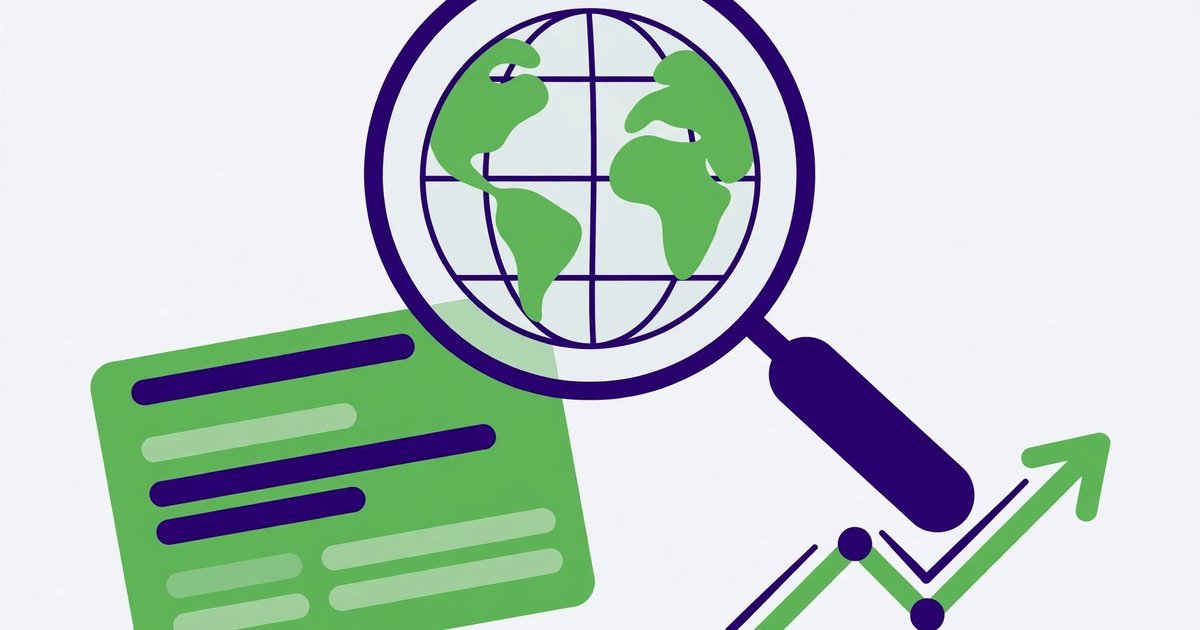
SEO — search engine optimization — is the practice of making your pages the best answer a search engine can show for a query. It is not tricks, and it is not magic: it is matching what people search for with pages that deserve to rank, then removing every technical reason a search engine might pass you over.
Analyze any page's on-page SEO — title, meta, headings, images, links.
How search engines actually work
Three steps: crawling (bots follow links and fetch pages), indexing (the search engine stores and understands the content), and ranking (for each query, it orders the indexed pages by relevance and quality signals). If a page is never crawled, it cannot rank; if it is crawled but thin or confusing, it ranks poorly. Every SEO task serves one of these three steps.
The three pillars
1. Content: pages that answer the query completely, in the format searchers want (guide, list, tool, product). 2. Technical: pages that load fast, work on phones, and are easy to crawl — sitemaps, clean URLs, no broken links. 3. Authority: signals that others trust the page — mainly quality backlinks, but also brand searches and engagement. Beginners should master content and technical first; authority follows good content over time.
What SEO is not
It is not keyword stuffing, buying links, or hiding text — those are spam techniques search engines actively penalize. It is not instant: new pages typically take weeks to months to reach their stable rankings. And it is not a one-time project: competitors publish, algorithms shift, and content decays. Think of it as gardening, not construction.
Your first week of SEO
- Install Google Search Console and Analytics.
- Run our SEO Analyzer on your key pages and fix titles, headings and broken links.
- Write one page that answers one query better than the current top results.
- Make sure your site has a sitemap (our XML Sitemap Generator builds one) and a sensible URL structure.
- Then repeat weekly: one good page, one fix, one measurement.
SEO vs paid ads (SEM), plainly
Organic SEO and paid ads buy different things. Ads buy immediate visibility that stops the day the budget stops — perfect for launches, tests, and time-sensitive offers. SEO buys visibility that compounds: a page that ranks keeps bringing visitors without per-click cost, but takes months to build. Most businesses need both at different stages: ads for speed, SEO for durability. Anyone selling SEO as 'free traffic' is hiding the cost, which is time and work.
How Google decides quality: E-E-A-T in one paragraph
E-E-A-T stands for Experience, Expertise, Authoritativeness and Trustworthiness — the lens Google's quality raters use to judge pages, especially on money and health topics. In practice it means: real authors with real credentials, original experience (not rewritten summaries), citations from trusted sources, and a site that looks like a real business (about page, contact, privacy policy). E-E-A-T is not a direct ranking score you can optimize with a tag; it is what thorough, honest content demonstrates over time.
Frequently asked questions
How long does SEO take to work?
For a new site, expect 3–6 months before meaningful traffic; established sites see movement in weeks. Anyone promising page one in a week is selling something else.
Is SEO still relevant with AI answers?
Yes, but changed: AI overviews answer simple questions outright, so informational pages need to offer tools, depth or original data — not just definitions. See our AI visibility guide.
Do I need to know how to code for SEO?
No. The basics — titles, headings, internal links, image sizes, sitemaps — need no code. Code helps for technical SEO at scale, not for starting.
Can I learn SEO for free?
Yes — Google's own Search Central documentation, Search Console's help pages, and practical guides like these cover the essentials, and your own site is the practice ground. Paid courses mostly organize the same material; they do not contain secrets.
Is SEO dead because of AI?
No, but it changed: AI overviews answer simple questions outright, so pages that only define terms lose clicks. Pages that offer tools, original data, depth, or genuine experience still win — both in classic results and as cited sources in AI answers. See our AI visibility guide for the new side of the same game.
 Best Free SEO Tools (2026): The Only List a Beginner Needs
 Best SEO Browser Extensions for Chrome & Firefox
 Best Open Source SEO Tools (Free, Self-Hosted)